
The Florida Home Life Expectancy Chart How long a home's systems really last on the Florida coast.
Salt air, UV, humidity, and near-year-round cooling age a Northeast Florida home faster than the national averages suggest. This is the room-by-room reference chart we use in the field — roof, HVAC, plumbing, electrical, and appliances — with ranges from InterNACHI’s life-expectancy chart for Florida homes.

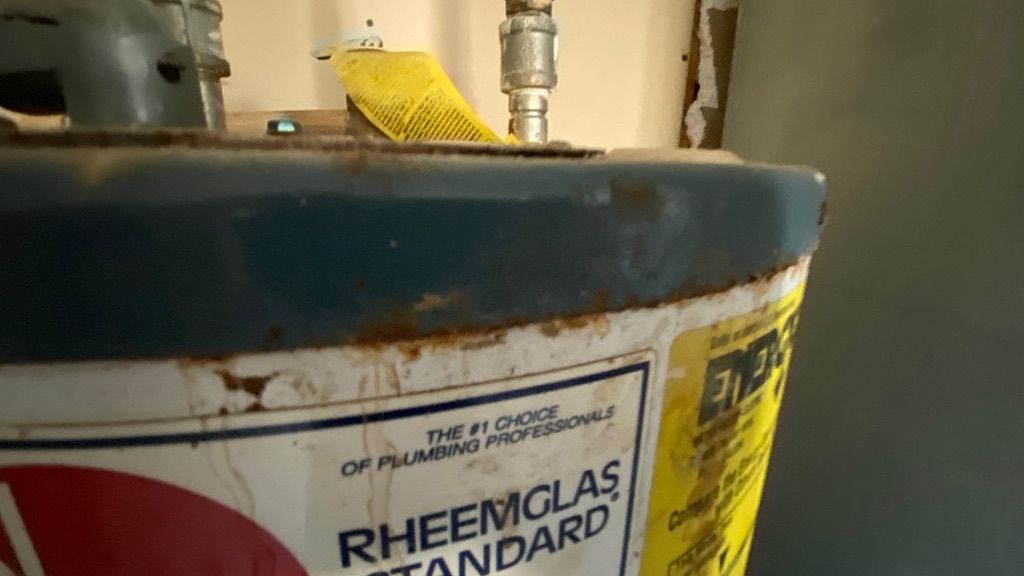
Florida's coastal climate asks a lot of a building. Intense ultraviolet radiation, salt-laden air, sustained humidity, wind-driven rain, and a cooling season that runs most of the year all place systems under stresses that meaningfully shorten their useful lives compared with national averages. This is the reference chart we actually use in the field — a room-by-room look at how long the parts of a Northeast Florida home tend to last.
It matters to buyers, sellers, and owners across Nassau County (Fernandina Beach, Amelia Island, Wildlight) and coastal Duval and St. Johns, where these factors can compress maintenance timelines and affect both insurability and resale value. When a system is near the end of its range, it's worth planning for — and a documented home inspection is how you turn a chart like this into a budget. You can schedule an inspection or check starting prices any time.
This chart is for educational reference only and is not a substitute for a professional inspection. Life expectancy figures are general guides — real-world performance depends on installation quality, maintenance history, exposure, and local climate. Be sure to rely on a qualified inspector for a property-specific assessment.
Adhesives, Caulk & Paints
Surface prep and coating quality decide how long paint lasts — and in Florida, UV and wind-driven rain both speed exterior failure. Exterior caulk can fail within one to three years from thermal cycling and UV, so treating these as routine seasonal upkeep protects everything underneath them.
| Component | Life Expectancy (Years) |
|---|---|
| Caulking — Interior | 5–8 |
| Caulking — Exterior FL Shorter | 1–3 |
| Construction Glue | 10+ |
| Paint — Exterior FL Shorter | 5 |
| Paint — Interior | 8–12 |
| Roofing Adhesives / Cements | 8+ |
| Sealants | 5 |
| Stains — Exterior FL Shorter | 2–6 |
Appliances
Appliance life depends heavily on usage, maintenance, and build quality. Hard water can shorten the life of anything with a water connection, and appliances may be replaced for efficiency or preference well before they actually fail.
| Appliance | Life Expectancy (Years) |
|---|---|
| Air Conditioner — Window Unit | 5–7 |
| Compactor — Trash | 6 |
| Dehumidifier | 8 |
| Dishwasher | 9 |
| Disposal — Food Waste | 12 |
| Dryer Vent — Plastic | 5 |
| Dryer Vent — Steel | 20 |
| Dryer — Clothes | 13 |
| Exhaust Fans | 10 |
| Freezer — Standalone | 10–20 |
| Gas Oven | 10–18 |
| Hand Dryer | 10–12 |
| Humidifier — Portable | 8 |
| Microwave Oven | 9 |
| Range / Oven Hood | 14 |
| Range — Electric | 13–15 |
| Range — Gas | 15–17 |
| Refrigerator | 9–13 |
| Swamp Cooler | 5–15 |
| Washing Machine | 5–15 |
| Whole-House Vacuum System | 20 |
Cabinetry & Storage
Well-built cabinetry can last generations. In Florida's humidity, ventilation inside cabinets near sinks and dishwashers is what keeps moisture damage and mold from cutting that life short.
| Component | Life Expectancy (Years) |
|---|---|
| Bathroom Cabinets | 50+ |
| Closet Shelves — Wood/Metal | 100+ |
| Entertainment Center / Home Office Built-In | 10 |
| Garage / Laundry Cabinets | 70+ |
| Kitchen Cabinets — Solid Wood | 50 |
| Medicine Cabinet | 25+ |
| Modular — Stock Manufacturing-Type | 50 |
Ceilings & Walls
Walls and ceilings usually last the life of the home unless water intrusion or structural movement gets to them. Moisture staining can come from HVAC condensation, a roof leak, or plumbing. Older acoustical tile may contain asbestos and should be tested before anyone disturbs it.
| Component | Life Expectancy (Years) |
|---|---|
| Acoustical Tile Ceiling Asbestos Risk in Older Tile | 40+ (older tile may contain asbestos — test before disturbing) |
| Ceramic Tile | 70+ |
| Concrete | 75+ |
| Gypsum (Drywall) | 75 |
| Wood Paneling | 20–50 |
| Suspended / Drop Ceiling | 25+ |
Countertops
Sealed natural stone — granite, quartzite, marble — can last a lifetime. Cultured marble's gel-coat surface can discolor or crack over time, and laminate is vulnerable to delamination in high-humidity areas and near water.
| Material | Life Expectancy (Years) |
|---|---|
| Concrete | 50 |
| Cultured Marble | 20 |
| Natural Stone (Granite, Quartzite, Marble) | 100+ |
| Laminate | 20–30 |
| Resin | 10+ |
| Tile | 100+ |
| Wood / Butcher Block | 100+ |
Decks
Coastal decks take UV, moisture, insects, and storm impacts. Structural posts and beams are especially exposed to wood-destroying organisms in this subtropical climate, so regular sealing and inspection of structural connectors is critical — and composite is worth considering for new builds near the water.
| Component | Life Expectancy (Years) |
|---|---|
| Deck Planks — Pressure-Treated Wood FL Shorter | 10 |
| Deck Planks — Composite | 8–15 |
| Structural Wood (Posts, Beams) FL Shorter | 5–20 |
Doors & Windows
In Northeast Florida, impact-resistant windows and doors can be a valuable investment — for storm protection and for potential insurance credits through wind mitigation. Wood needs regular upkeep in this humid, UV-intense climate, and failed insulated glass units (fogging between the panes) are worth documenting.
| Component | Life Expectancy (Years) |
|---|---|
| Entry Doors — Fiberglass | 100+ |
| Entry Doors — Fire-Rated Steel | 100+ |
| Entry Doors — Wood FL Shorter | 30+ |
| Garage Doors | 10–30 |
| Interior Doors — Hollow Core | 20–30 |
| Screen Doors | 10 |
| Sliding Glass Doors FL Shorter | 10 (roller wheel / track repair or replacement) |
| Windows — Aluminum Frame FL Shorter | 10–15 |
| Windows — Double-Pane Insulated (IGU) FL Shorter | 5–15 (seal failure/fogging) |
| Windows — Skylights (Glass) FL Shorter | 5–15 |
| Windows — Vinyl / Fiberglass Frame | 10–30 |
| Windows — Wood Frame FL Shorter | 15+ |
Electrical Systems
Electrical is a primary focus of 4-point insurance inspections — panels, wiring type, and GFCI/AFCI protection all get evaluated. Some older homes have aluminum branch wiring, which needs special attention, and smoke and CO detectors have replacement timelines worth tracking.
| Component | Life Expectancy (Years) |
|---|---|
| Arc-Fault Circuit Interrupters (AFCI) | 30 |
| Carbon Monoxide Detectors | 5 |
| Ground Fault Circuit Interrupters (GFCI) | up to 30 |
| Main Electrical (Service) Panel | 60 |
| Smoke / Heat Detectors (replace per manufacturer) | less than 10 |
| Wiring — Copper | 100+ |
Flooring
Flooring choices here should account for humidity and the possibility of storm or plumbing flooding. Solid hardwood can cup and warp without good climate control; luxury vinyl plank is a moisture-resistant option; and carpet needs regular cleaning given mold risk in humid conditions.
| Material | Life Expectancy (Years) |
|---|---|
| Carpet | 8–10 |
| Hardwood — Solid | 100+ |
| Hardwood — Engineered | 50+ |
| Laminate | 15–25 |
| Linoleum | 25 |
| Marble / Granite Tile | 100+ |
| Ceramic / Porcelain Tile | 75–100 |
| Vinyl | 25 |
Heating, Ventilation & Cooling (HVAC)
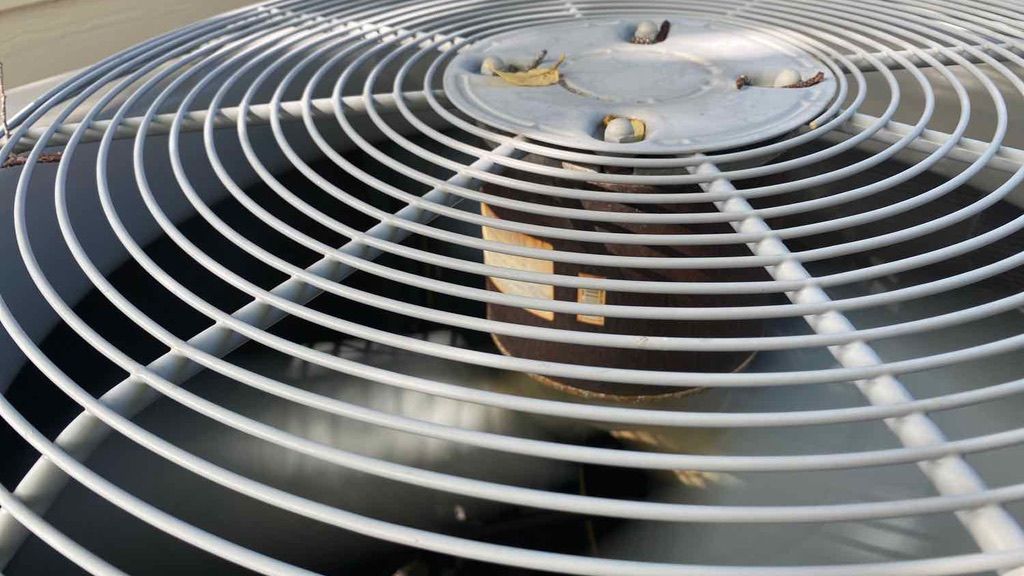
HVAC works hard in a Florida home — and it is one of the shortest-lived systems on the coast. Salt air aggressively corrodes condenser coils and electrical components: InterNACHI’s life-expectancy chart for Florida homes puts a central air conditioner at 5–12 years and the outdoor condenser at 5–7 years in coastal areas, against 15–20 inland. Annual professional maintenance and coil coatings both extend service life on the coast. A 4-point inspection reports HVAC age and condition, and an aging unit can affect insurance eligibility.
| Component | Life Expectancy (Years) |
|---|---|
| Central Air Conditioner FL Shorter | 5–12 |
| Condenser (outdoor unit) | 5–7 in coastal areas · 15–20 inland |
| Ductwork | 60–100 |
| Heat Pump | 10–15 |
| Furnace (if installed) | 15–25 |
| Thermostats | 35 |
| Water Heater — Conventional Tank | 6–12 |
| Water Heater — Tankless (On-Demand) | 10 |
Plumbing Systems
Plumbing is another focus of 4-point inspections. Carriers ask about polybutylene, galvanized steel, and cast-iron drain lines, which can be found in older homes. PEX and CPVC are used in newer construction; water quality and pressure also drive longevity.
| Component | Life Expectancy (Years) |
|---|---|
| ABS / PVC Pipe — Drain / Waste | 50–80 |
| Cast-Iron Pipe — Drain / Waste | 40 above ground · 50–60 below ground |
| Copper Water Lines | 70 |
| Faucets and Spray Hoses | 15–20 |
| PEX Pipe — Supply | 40 |
| Sump Pump | 7 |
| Toilets | 100+ if not cracked (tank components 5) |
| Water Softener | 20 |
Roofing
Roofing gets close scrutiny in Florida property insurance. Roof age and condition drive 4-point eligibility and windstorm premiums, and the coastal mix of UV, salt air, thermal cycling, and hurricane exposure shortens asphalt-shingle life considerably. An aging roof can affect renewal and premiums — which makes timely replacement a financial decision as much as a safety one. A roof certification documents remaining life for your carrier.
- Asphalt shingles are among the shorter-lived coverings in InterNACHI’s Florida chart: 10–12 years for 3-tab, 15–20 for architectural.
- Tile (clay or concrete) performs better long-term, but only over sound underlayment and proper installation.
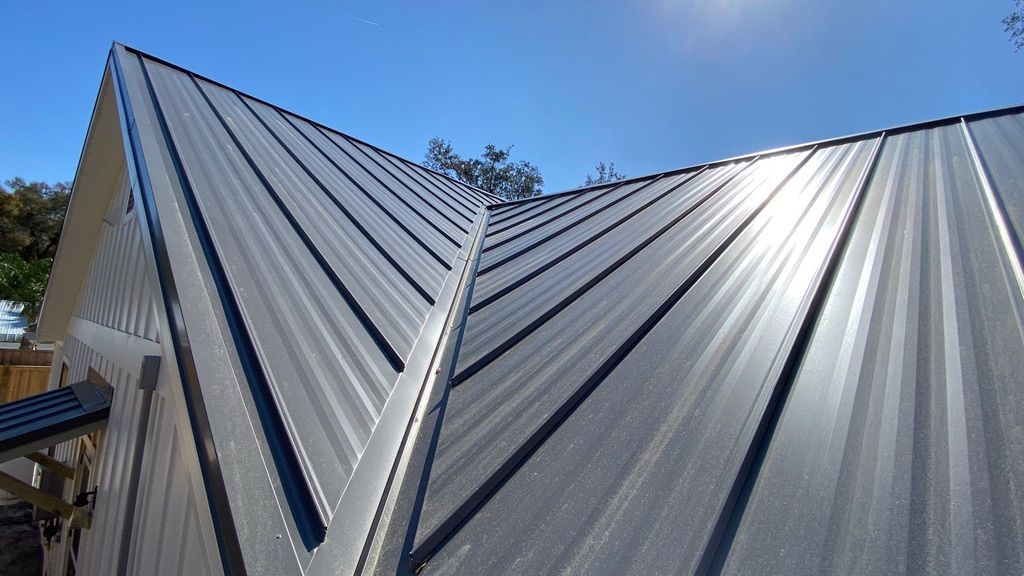
- Metal is listed at 17–20 years in InterNACHI’s Florida chart, against 40–80 in its standard chart for homes.
- Roof-age documentation (permit dates, product approvals) is required for insurance inspections.
| Roofing System | Life Expectancy (Years) |
|---|---|
| Asphalt Shingles — 3-Tab FL Shorter | 10–12 |
| Asphalt Shingles — Architectural / Dimensional FL Shorter | 15–20 |
| Clay / Concrete Tile FL Shorter | 80+ |
| Metal | 17–20 |
| Modified Bitumen — Low Slope FL Shorter | 10 |
| TPO / EPDM Membrane — Low Slope | TPO 10–12 · EPDM 10–15 |
| Wood Shake / Shingle | 25 |
Frequently Asked Questions
How long does a roof last in Florida?
InterNACHI’s life-expectancy chart for Florida homes puts 3-tab asphalt shingles at 10–12 years, architectural shingles at 15–20, metal at 17–20, and clay or concrete tile at 80+ — though tile performs well only over sound underlayment and proper installation. UV exposure, salt air, and wind-driven rain all speed wear, and permit and product-approval records matter for insurance.
How long does an AC unit last in Northeast Florida?
InterNACHI’s life-expectancy chart for Florida homes puts central AC units at 5–12 years and heat pumps at 10–15, with the outdoor condenser at 5–7 years in coastal areas (15–20 inland). Salt air corrodes the outdoor condenser coil. Annual professional maintenance, coil coatings, and covering the outdoor unit during hurricane season all extend service life.
What home systems fail earliest in coastal Florida?
Among the shortest-lived items in the chart above (InterNACHI’s figures for Florida homes) are exterior caulk (1–3 years), exterior paint (about 5), window-unit ACs (5–7), central air conditioners (5–12), and 3-tab asphalt shingles (10–12). Building a maintenance budget around those timelines is a practical step for any homeowner here.
When should I replace my water heater in Florida?
InterNACHI’s life-expectancy chart for Florida homes puts conventional tank heaters at 6–12 years and tankless (on-demand) units at 10. Warning signs include rust-colored hot water, rumbling or popping, visible corrosion on the tank or connections, water pooling at the base, or any unit over 12 years old. InterNACHI also notes that the mineral content of water can shorten a water heater’s life — an annual anode-rod check extends tank life.
How does a home inspection help me understand life expectancy?
A professional inspection by a Certified Master Inspector documents the age, condition, and estimated remaining life of major systems, so buyers, sellers, and investors can budget accurately for future repairs — and understand which systems may affect insurance eligibility or negotiating position at closing. Read more about Lunar or schedule an inspection.
Sources & references: Figures are taken from InterNACHI®’s Estimated Life Expectancy Chart for Florida Homes (nachi.org/florida-life-expectancy.htm, accessed October 2026); the FL Shorter flags compare it with InterNACHI’s Standard Estimated Life Expectancy Chart for Homes (nachi.org/life-expectancy.htm, accessed October 2026). This page adds no separate coastal estimates; coastal factors — UV index, salt air, humidity, and extended HVAC run times — affect where a given component falls within its range. See the inspection glossary for definitions of the materials and systems named above.
Brian is the Certified Master Inspector behind Lunar, with 20+ years of building, remodeling and field experience, now serving Northeast Florida. He writes these field notes to help homeowners, buyers, and investors make confident decisions. Read more about Lunar or schedule an inspection.