
The 4-Point Inspection Guide Four systems decide whether a carrier will write the policy.
Older Florida homes may need one to get insured. A 4-point inspection is a focused look at the four systems carriers review — roof, electrical, plumbing, and HVAC — and here's what the inspection documents for each one.


If you're buying, insuring, or renewing an older Florida home, a carrier may ask for a 4-point inspection. It's not a general home inspection and it's not about the whole house — it's a focused report on four systems: roof, electrical, plumbing, and HVAC. The carrier reads it to decide whether they'll write or renew the policy at all.
This guide covers what a 4-point inspection actually examines, when you need one, what causes a decline, and how it pairs with wind mitigation. If you already know you need one, you can schedule an inspection or check starting prices first.
What a 4-point inspection actually is
A 4-point is a snapshot of condition and remaining life for four systems — nothing more. It doesn't grade cosmetics, evaluate the structure, or replace a full buyer's inspection. Carriers require it because a home can look fine while hiding an aging electrical panel or a water heater about to fail, and those are the things that can turn into expensive claims. It's quick — about 30–45 minutes on site — and it can be combined with wind mitigation in a single visit.
The four points, and what they check
Each of the four gets documented with photos and a condition assessment:
What the carrier is reading
- Roof — covering type, condition, and remaining life.
- Electrical — panel type, capacity, and hazards. Certain older panels and wiring types can be red flags for carriers.
- Plumbing — supply and drain materials, water heater age, and any active leaks.
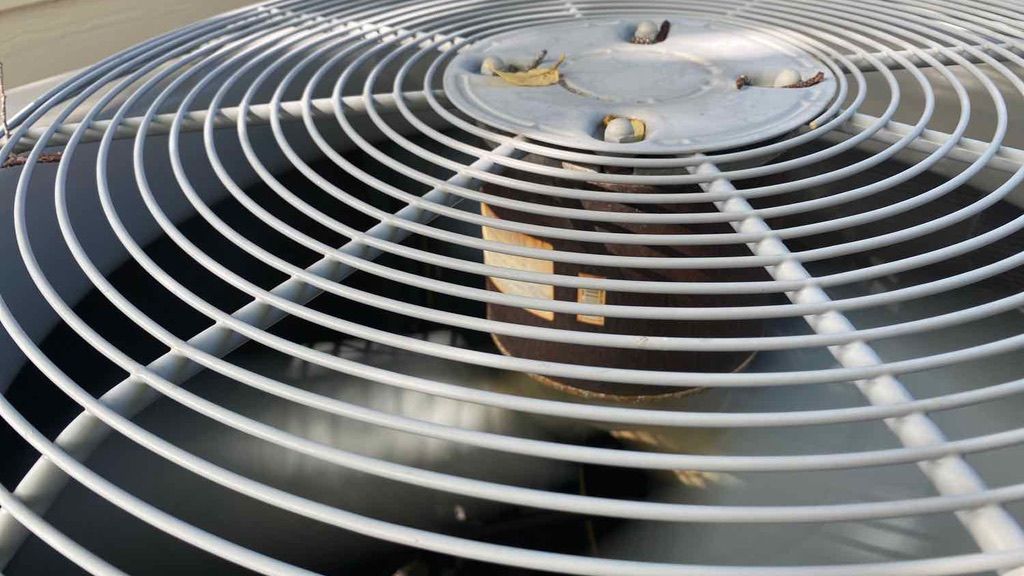
- HVAC — age, condition, and whether it's functioning. An aged or non-working system can be a sticking point.
The inspection glossary defines the specifics — panel brands, pipe materials, and the terms carriers use — if you want to go deeper.
A 4-point isn't about whether the house is nice. It's about whether it's insurable.
Brian Walker, Certified Master InspectorWhen you actually need one
Each carrier sets its own age threshold for a 4-point; Citizens requires a 4-Point on new applications for homes more than 20 years old (citizensfla.com/inspections, accessed October 2026). You may be asked for one when buying an older home, switching carriers, or renewing a policy on an aging property. If you're closing on an older home in Northeast Florida, assume you'll need one and schedule it inside your inspection window so a surprise finding doesn't stall your closing.
What causes a decline — and what to do
A 4-point isn't strictly pass/fail, but certain findings can lead a carrier to decline: an active roof leak or a roof near end of life, an outdated or hazardous electrical panel, aged or failing plumbing, or an HVAC system that isn't working. The report states condition honestly — an inspector can't and won't fudge it — but a documented issue isn't the end of the road. The fix may be targeted (replace the panel, service or replace the water heater). Once repairs are done, our re-inspection verification confirms them for the carrier in writing.
Bundling with wind mitigation
If a carrier wants a 4-point, ask whether it wants wind mitigation too — both can be done in one visit. The 4-point protects your eligibility; the wind-mit documentation records the features that premium credits apply to. Our insurance bundle combines them with a roof certification and an insurer-ready photo pack.
Next steps
If your carrier has requested a 4-point on a Northeast Florida home, book it early — a decline you didn't see coming can hold up a closing or a renewal. Schedule a 4-point inspection, bundle the wind mitigation if you need both, and we'll deliver the insurer-ready report, typically within 24 hours. Not sure what you need? Find My Inspection takes under a minute.
This guide is general educational information for Northeast Florida homeowners and buyers. It is not legal, engineering, or insurance advice, and it is not a substitute for a professional inspection of a specific property.
Brian is the Certified Master Inspector behind Lunar, with 20+ years of building, remodeling and field experience, now serving Northeast Florida. He writes these field notes to help homeowners, buyers, and investors make confident decisions. Read more about Lunar or schedule an inspection.