
The Home Buyer's Inspection Guide The report is only half of it — the other half is how you use it.
A home inspection isn't a pass/fail exam. It's a detailed look at the house you're about to spend years in — and, if you use it right, a strong negotiating position before you close. Here's what actually happens during a buyer's home inspection in Northeast Florida, and how to turn the report into leverage.

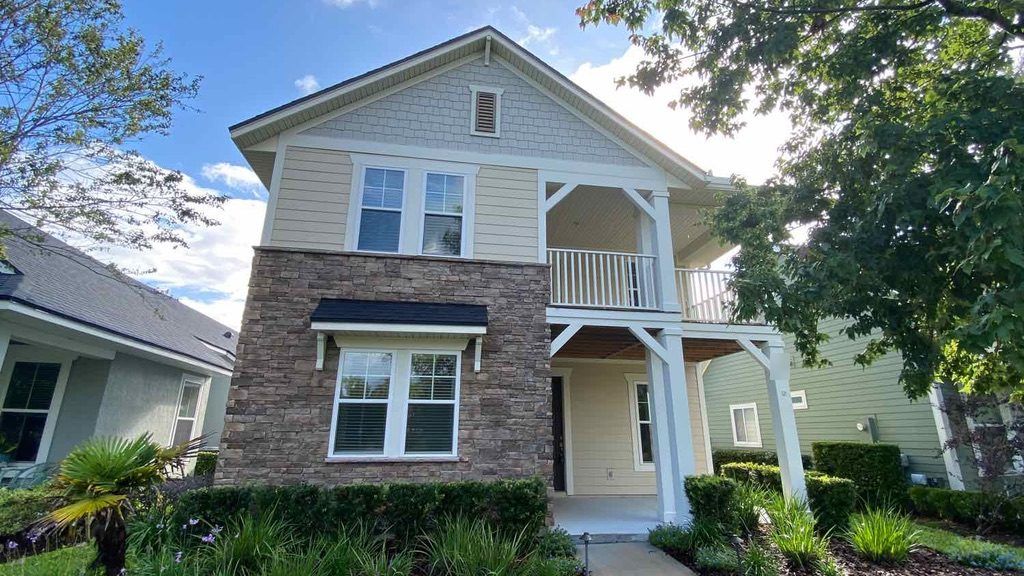
It's tempting to expect the inspector to hand you a verdict: buy or don't. That's not what happens. A good home inspection gives you two things — a much clearer picture of what you're actually buying, and a specific, prioritized list you can bring to the closing table.
This guide walks through what a Northeast Florida buyer's inspection actually covers, what it doesn't, how long it takes, how to read the report, and how to use it in the option period. If you already know what you need, you can schedule an inspection or check starting prices first.
What a buyer's inspection actually covers
A standard buyer's inspection is a visual, non-invasive evaluation of the home's major systems and structure. In Florida, that reliably includes the roof (walked when safe, or documented from the eaves and attic when walking isn’t), the attic, the exterior and grounds, foundation and structure, plumbing, electrical, HVAC, water heater, insulation and ventilation, doors and windows, and the interior room by room. Detached structures such as a detached garage, and pool or spa equipment, are add-ons rather than part of the base inspection; their prices are on the pricing page. A WDO (termite) inspection is coordinated through a licensed partner, and specialty systems like a septic tank or a well are evaluated separately by the appropriate specialist.
What it isn't: it's not a code compliance audit, an appraisal, an engineering evaluation, or a warranty. Anything hidden by walls, finishes, or stored contents can't be evaluated — and any inspector who claims otherwise is guessing. The inspection glossary defines every term you'll see in the report in plain English.
How long it takes, and whether to be there
A typical single-family inspection in Northeast Florida runs 2–4 hours on site, depending on size, age, and access. Larger, older, or multi-unit properties take longer; a small condo or townhome can be shorter. You do not have to be present, but if you can, join for the last part of the visit for a walk-through of the findings. You get to see findings in person, ask questions, and hear which items are urgent versus routine, in the inspector's own words.
If you can't attend, the insurance-ready digital report is typically delivered within 24 hours with photos of every finding — and you can call to walk through it. What you shouldn't do is judge the house by the report's page count. A thorough report on a well-kept home can still run long, with many pages of photos and notes; that's a feature, not a red flag.
Reading the report like a buyer, not an owner
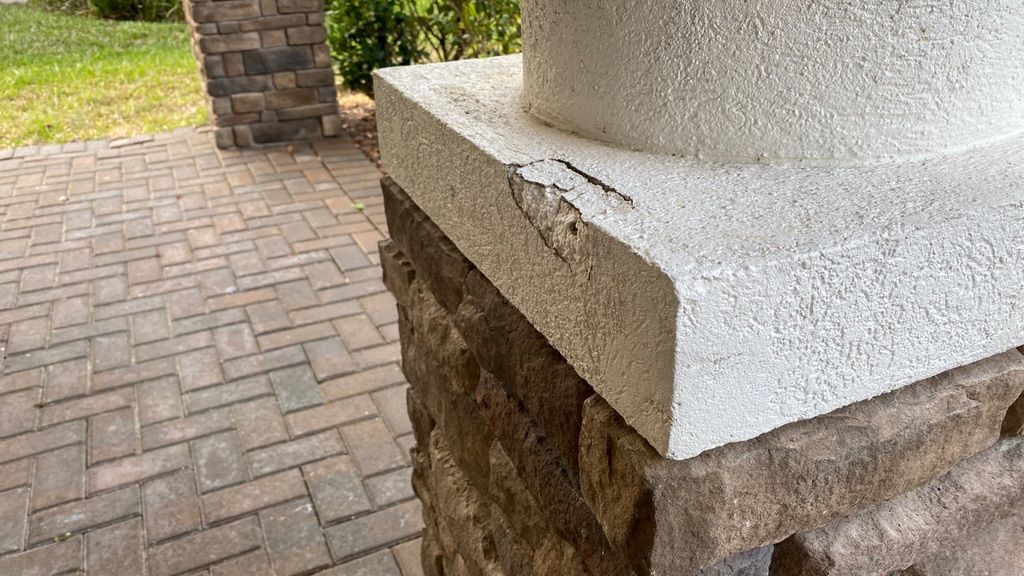
Every finding in a Lunar report is categorized so you know what actually deserves your attention. Read the summary first, then the full report. The mental filter that matters most:
How to sort findings
- Safety & major systems — roof, structure, electrical hazards, water intrusion, gas leaks, HVAC failure. These are your negotiation items.
- Deferred maintenance — caulking, minor grading, worn weatherstripping. These are your future to-do list, not deal points.
- Life-cycle notes — a working roof or HVAC near end of life. Useful for planning and sometimes worth raising in negotiation, though not necessarily a deal-breaker on their own.
- Cosmetic — noted so you have a record, but never a repair request.
If you're buying to hold, the safety and major-system items are what you'll ask the seller to fix or credit. If you're flipping, the life-cycle items matter more than they would to a long-term owner. Either way, prioritize by cost to remediate and consequence of ignoring, not by page count in the report.
Using the report during your option period
In a Florida contract, your inspection contingency is a short window to accept the property as-is, negotiate repairs or credits, or walk away. Once it closes, your leverage drops sharply. Work backward from that date: schedule the inspection as early as possible, get any add-ons or specialist evaluations (pool, WDO, thermal imaging, septic) done in the same window, and give your agent a written repair-or-credit request with enough time to negotiate before it expires.
Asking for too many small items can dilute a request; a stronger move is a short, prioritized list of substantive findings with contractor quotes attached. If you're buying insurance-heavy Florida property, this is also the moment to line up insurance inspections (wind mitigation and, when the carrier asks, a 4-point) so your policy is ready to bind at closing.
How to make the day count
You don't have to prep the home — that's the seller's side. Your job as the buyer is to line up the right adjacent services, protect your timeline, and be ready to act. Bring the questions that are unique to you: the school-run door you'll actually use, the ceiling stain you noticed on the second showing, the room you want to convert. Inspectors are used to it — and questions during the walkthrough are how the report becomes personally useful, not just complete.
If prep is on your seller's side (or you're a seller reading this), our inspection walkthrough covers what makes a report more complete, and how it works walks through what happens at each step.
Next steps
If you're under contract in Nassau, Duval, St. Johns, Clay, or Baker county, get the inspection scheduled as early in the option period as you can. Book a buyer's home inspection, add the insurance inspections in the same visit if the property is coastal or older, and use the report the way it's designed to be used — as leverage, not a verdict. If you're not sure exactly what to book, the Find My Inspection tool takes under a minute and points you to the right combination.
This guide is general educational information for Northeast Florida homeowners and buyers. It is not legal, engineering, or insurance advice, and it is not a substitute for a professional inspection of a specific property.
Brian is the Certified Master Inspector behind Lunar, with 20+ years of building, remodeling and field experience, now serving Northeast Florida. He writes these field notes to help homeowners, buyers, and investors make confident decisions. Read more about Lunar or schedule an inspection.