
New Construction & Phase Inspections A brand-new home is not a finished one.
Builders move fast, and the county inspector checks code — not workmanship, and not your interests. Independent phase inspections catch what gets covered up before you ever see it. Here's how new-construction inspections work in Northeast Florida.

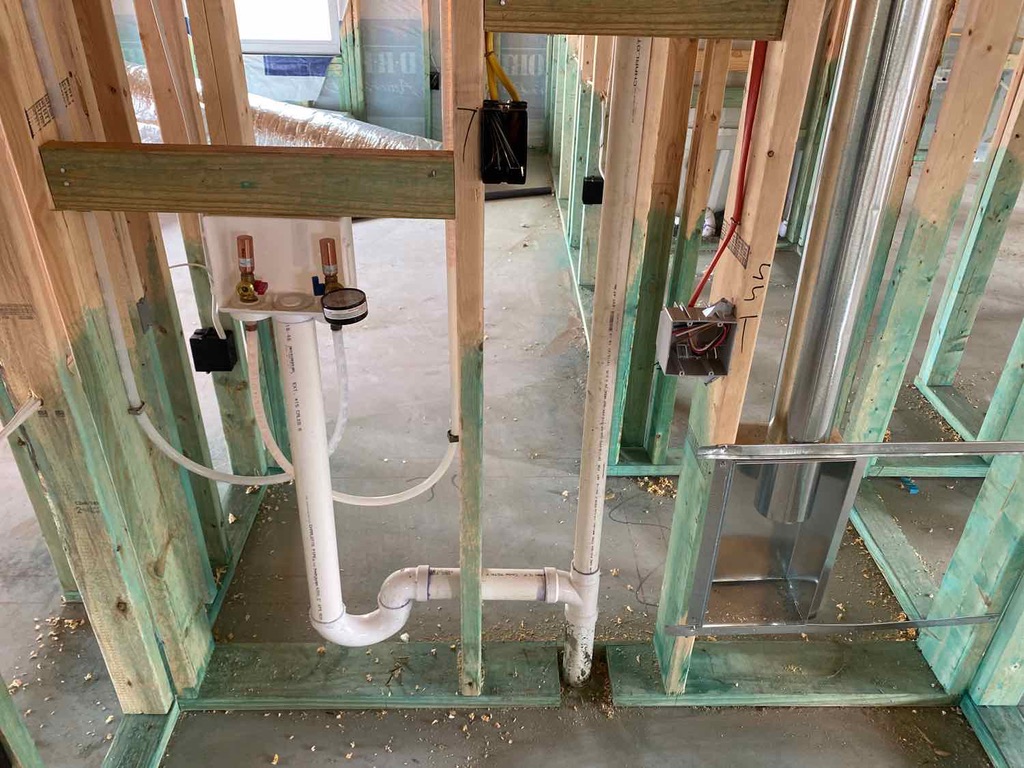
The most dangerous phrase in a new-construction purchase is "it's brand new, so it's fine." A new home is built fast, by a rotating crew, under schedule pressure — and the only mandatory check is a municipal inspection that confirms code minimums, not quality and not your interests. Independent phase inspections exist to catch the defects that get quietly drywalled over before you ever walk through.
This guide covers why new homes still need inspections, the three phases that matter, what inspectors actually find, and how the 11-month warranty inspection protects you after you move in. If you're ready, you can schedule an inspection or see starting prices first.
Why a new home still needs an independent inspection
The builder's superintendent works for the builder. The county inspector confirms the work meets code — a floor, not a ceiling — and spends only minutes per home. Neither is your advocate, and neither documents the finish quality you're paying for. An independent inspector represents you and only you, and looks at workmanship, not just compliance. On a new-construction inspection, "it passed the county" and "it was built well" are two very different statements.
The three phases that matter
The value of phase inspections is timing: each one looks at work that's about to be covered up for good.
New-construction inspection phases
- Pre-pour / foundation — footings, grading, plumbing rough-in, and vapor barrier before the slab is poured.
- Pre-drywall — framing, electrical, plumbing, and mechanical rough-ins while everything is still visible behind the walls.
- Final / pre-closing — the full home walkthrough before you take the keys, just like a resale inspection.
Not every buyer does all three, but the pre-drywall phase is the one most worth its cost — it's the only chance to see the bones of the house before they disappear.
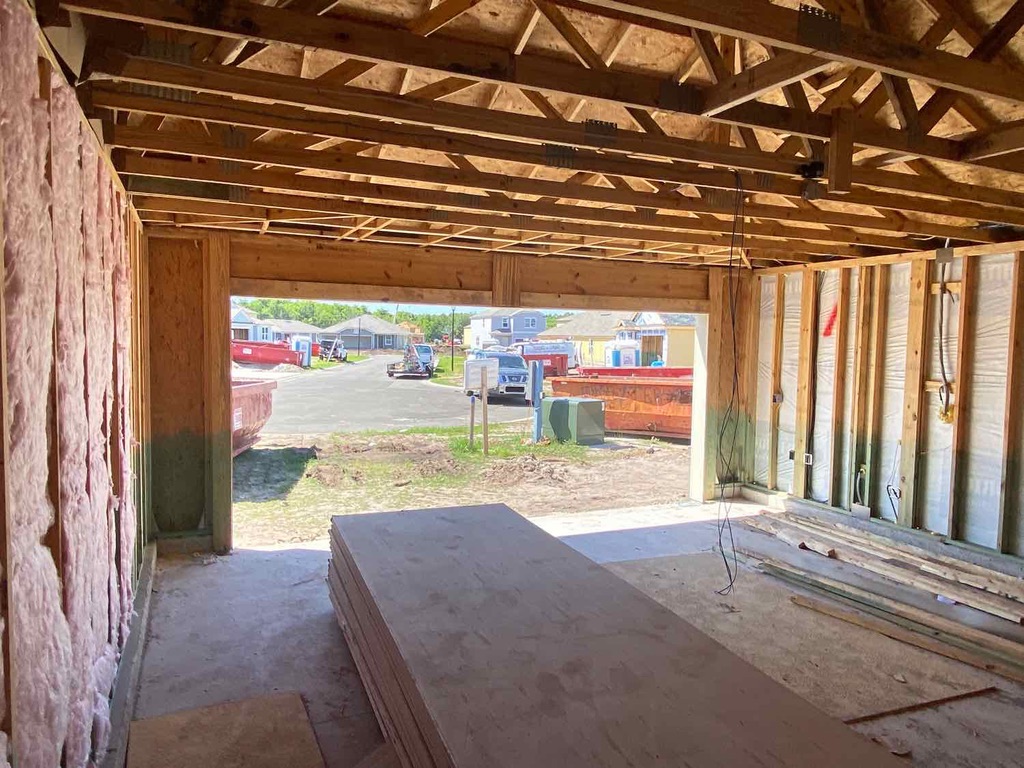
Once the drywall goes up, every shortcut behind it becomes your problem, not the builder's.
Brian Walker, Certified Master InspectorWhat inspectors actually find in new homes
New doesn't mean defect-free — it means the defects are recent and, right now, easy to fix. Common findings include missing or improperly cut framing members, plumbing that isn't fully supported, HVAC ducts that are crimped or disconnected, electrical boxes buried behind insulation, roof flashing details rushed at the end, and grading that will send water toward the slab. Individually, most are quick corrections. The point of catching them now is that the builder fixes them on the builder's dime, before they're hidden and before your warranty window closes.
The 11-month warranty inspection
Most builders include a one-year workmanship warranty. The mistake buyers make is not using it — they settle in, forget the date, and let it lapse. An 11-month warranty inspection, done just before that first year is up, gives you a documented punch list to submit while the builder is still obligated to fix it for free. After a full Florida summer of heat, humidity, and settling, the house has revealed things it hid on move-in day. This single inspection often pays for itself several times over in covered repairs.
How to schedule around the builder
Tell your builder up front that you'll have independent inspections — reputable builders expect it. For pre-drywall, coordinate timing after rough-ins are complete but before insulation and drywall; the window can be a few days, so stay in touch with the superintendent. For the warranty inspection, put month 11 on your calendar the day you close. Not sure which phases you need? Find My Inspection takes under a minute, and the glossary defines any unfamiliar term.
Next steps
If you're building in a Nocatee, Wildlight, or any Northeast Florida community, don't rely on the county inspection alone. Book a new-construction phase inspection — at minimum pre-drywall and final — and put an 11-month warranty inspection on the calendar before you close. New to the process? See how it works.
This guide is general educational information for Northeast Florida homeowners and buyers. It is not legal, engineering, or insurance advice, and it is not a substitute for a professional inspection of a specific property.
Brian is the Certified Master Inspector behind Lunar, with 20+ years of building, remodeling, and inspection experience across Northeast Florida. He writes these field notes to help homeowners, buyers, and investors make confident decisions. Read more about Lunar or schedule an inspection.